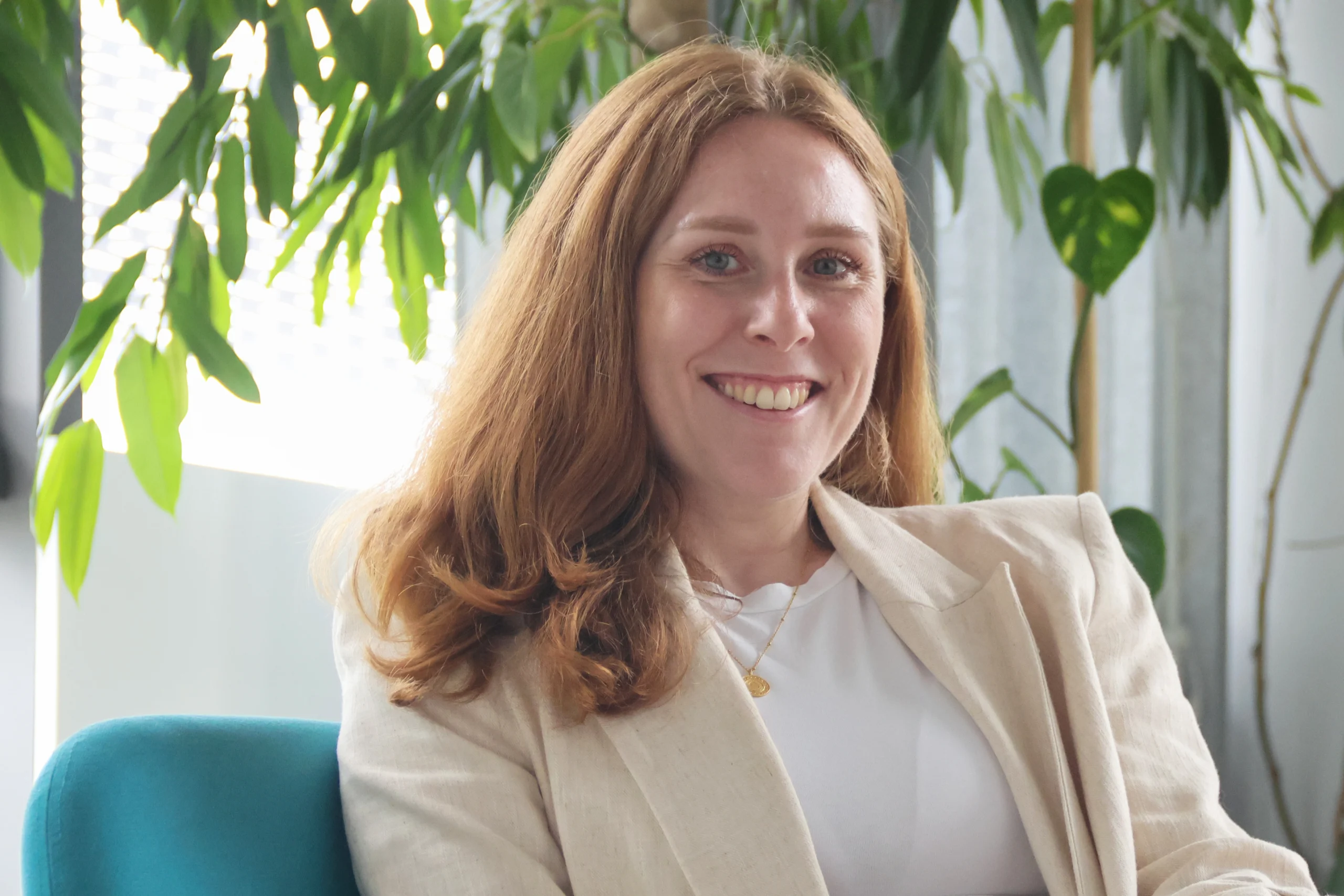



“Nothing about healthcare, digital or not, works in isolation. Some of the most valuable conversations happen when people share practical experiences, challenges, and lessons learned,” said Veronika Stepanova.
Veronika is the Communications Manager in our Better Meds team. Her task is to make sure that communication reflects the effort and care the Meds team puts into the product. “It’s an ongoing conversation between people, settings, and systems,” she said. With a background in cognitive science, Veronika has always been interested in the gap between information and meaning, and in healthcare, especially, making sense of information is important. She likes to recharge with reading and wandering around nature, and when it comes to Better, she sees it as “continuous improvement, but with attention to what actually matters, not progress at all costs”. Get to know Veronika in the interview below.
You work as the Communications Manager in the Better Meds team. What does your usual day look like, and what part of it do you enjoy the most?
Communication is inherently dynamic, which is reflected in the lack of ‘usual’ days. My work spans many activities aimed at ensuring our communication reflects the effort and care we put into our product. It’s an ongoing conversation between people, settings, and systems.
There’s a certain humility that comes with working in healthcare. It trickles down from healthcare professionals themselves, who navigate highly ambiguous situations with dedication and care, often without asking for recognition. In that context, communication becomes relatively simple in principle, though not always in practice: help and support first, talk about it later (if relevant). Offer information that matters rather than adding more noise. What I enjoy most is making sense of complex things and carving out space for perspectives that matter. Information itself isn’t enough, especially nowadays. Communication is ultimately about cultivating conditions for meaning and helping amplify voices worth hearing.
Your background combines cognitive science, communication, and digital health, which is quite a unique path. What first drew you to understanding how people make sense of information and experiences?
I’ve always been interested in the gap between information and meaning, where some things resonate with some people, and some don’t, though they’re technically sound. That’s where narrative comes in. Cognitive science gave me a framework for understanding how people perceive, interpret, and, essentially, participate in the world, but I’ve always been especially interested in how we process complexity and uncertainty. I initially trained in the media, where narratives can shape meaning for us. In healthcare, making sense of information is especially important. Storytelling helps people process complexity.

You describe your work as translating “complexity into narratives people can live with.” How does that philosophy influence the way you approach communication in healthcare?
Since healthcare is complex enough, communication should help navigate it rather than add to uncertainty. Good communication feels honest, clear, and grounded in real life, though it’s worth noting that those things don’t equal simple. The human mind isn’t simple. We shouldn’t underestimate it; in fact, we should strive to engage and educate rather than simplify. I think language matters in healthcare more than people realise. The words we choose shape meaning, trust, perceived risk, and ultimately how people relate to systems, decisions, and each other.
Medication management is a highly clinical and technical field. How do you make these topics meaningful and relatable for different audiences, from clinicians to healthcare leaders?
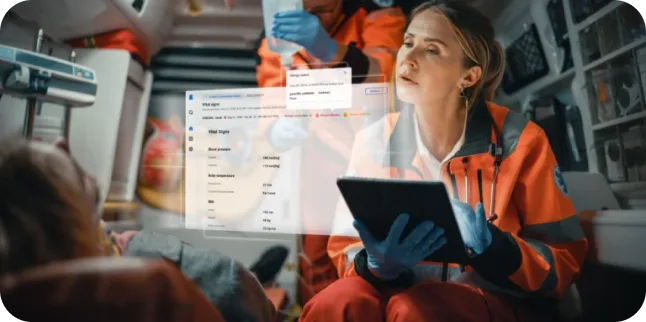
We start from people’s actual experiences rather than from technology itself. This philosophy is embedded in our product. Nurses, clinicians, pharmacists, and healthcare leaders all see different parts of the system, so communication has to acknowledge their realities. Even highly technical topics become meaningful when framed around what matters most to people.
You also lead the Meds EDU initiative and organise Better Meds user group meetings. Why do you think communities and knowledge-sharing are so important in digital healthcare?
Nothing about healthcare, digital or not, works in isolation. Some of the most valuable conversations happen when people share practical experiences, challenges, and lessons learned. Community creates trust, and trust is essential when implementing systems that directly affect clinical work and patient care.
Cognitive science explores how people think, decide, and understand the world. How has that background shaped your view of user experience and communication in healthcare IT?
It made me very aware that people don’t interact with systems in ideal conditions. Healthcare professionals work under cognitive load, stress, interruptions, and time pressure, so communication and user experience need to respect that reality. Clarity, consistency, and reducing unnecessary friction matter much more than making something simply look impressive.
AI is becoming increasingly present in healthcare and communication alike. How do you personally see its role, is it a tool, a collaborator, or something completely different?
I think AI is useful when it expands people’s capacity for meaningful work, creativity, and human connection. The conversation around it, however, sometimes receives disproportionate attention at the expense of focusing on people and existing system challenges. I’m more interested in how it reshapes attention, judgment, and responsibility in systems like healthcare, and how it can help us build safer ones.
Looking ahead, what kind of impact would you like to have through your work at Better Meds and beyond?
I’d like my work to continue helping meaning emerge from complexity. There is an art to healthcare as much as there is to science and technology. While it contains an abundance of information, especially when technology is involved, meaning isn’t always self-evident. It requires attention, care, and context. If done well, communication enables it amidst the noise.
Outside of work, what inspires you creatively or intellectually? What hobbies, books, or activities help you recharge and stay curious?
We all know Pascal’s quote about humanity’s problems stemming from our inability to sit quietly alone in a room. I wouldn’t be so bold as to claim that I know the source of all our problems, but I can vouch for some quiet alone time. My hobbies are generally very hermit-like; I try to pay attention to the world beyond whatever feels urgent at the moment (but isn’t in the grand scheme of things). Reading helps, as does wondering about nature and the universe. I find comfort in the otherwise unsettling fact that I’m here only briefly and that the world absolutely doesn’t revolve around me. I’m also entertained daily by my small horse (a greyhound), who was adopted from Ireland and has the attitude of royalty.
What does Better mean to you?
Continuous improvement, but with attention to what actually matters, not progress at all costs. More like an ongoing conversation. But also: a reminder on the reality of change, which involves many incremental steps.