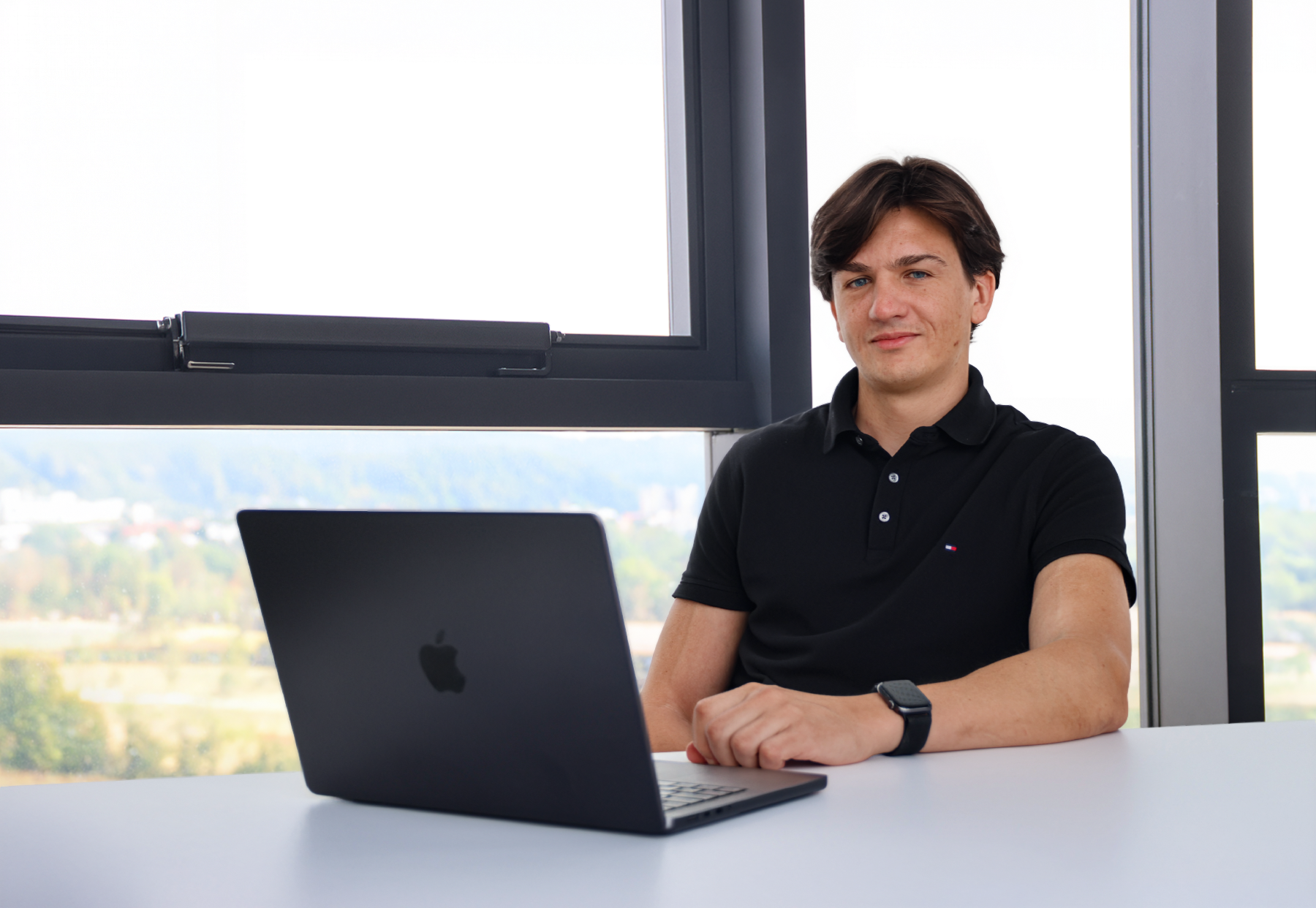


“If EHDS really delivers on what it promises, it will be about patient-first thinking, giving people more control over their own data, and making sure it actually flows when and where it’s needed,” is what Samo Drnovšek told us about the latest European data project.
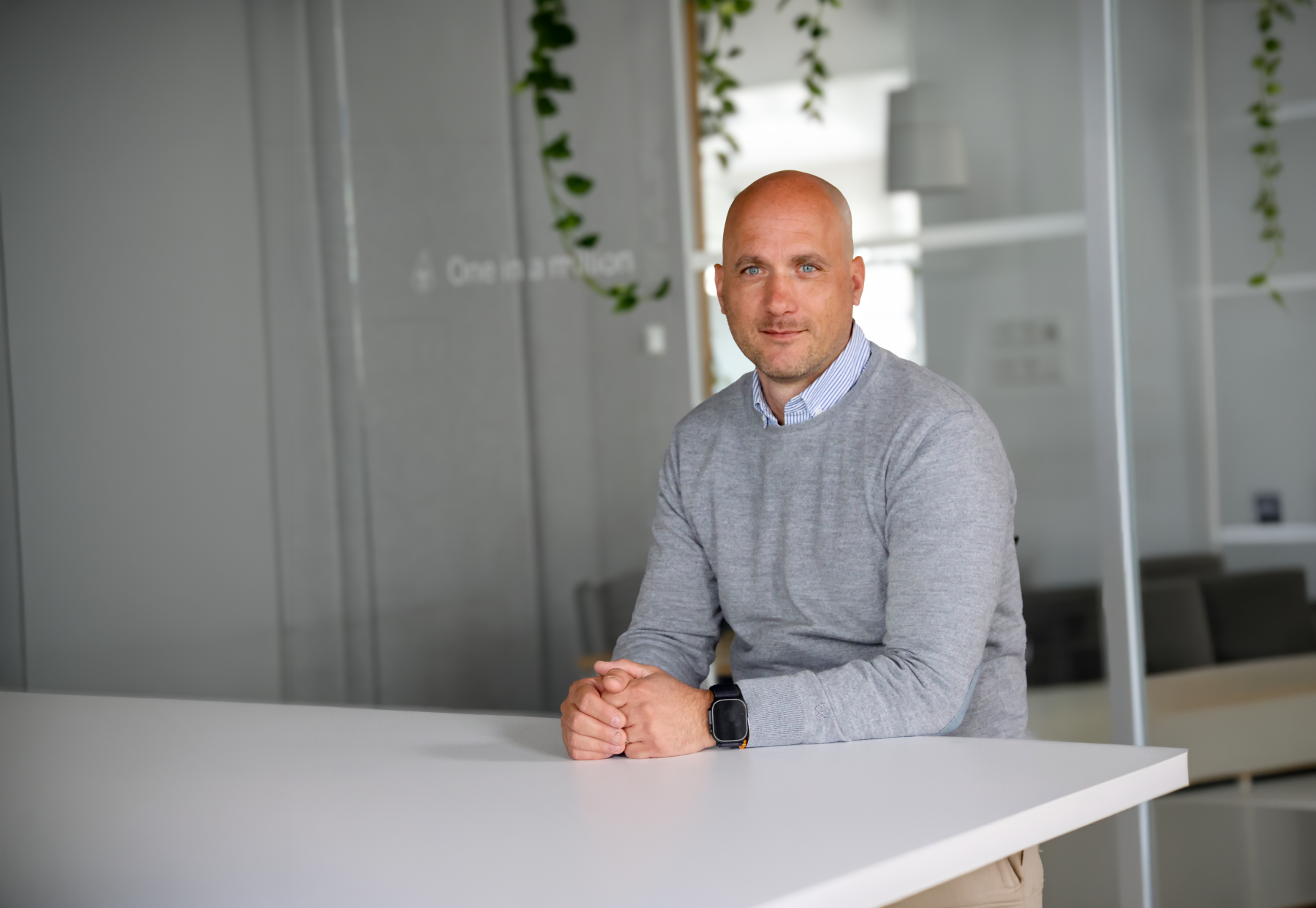
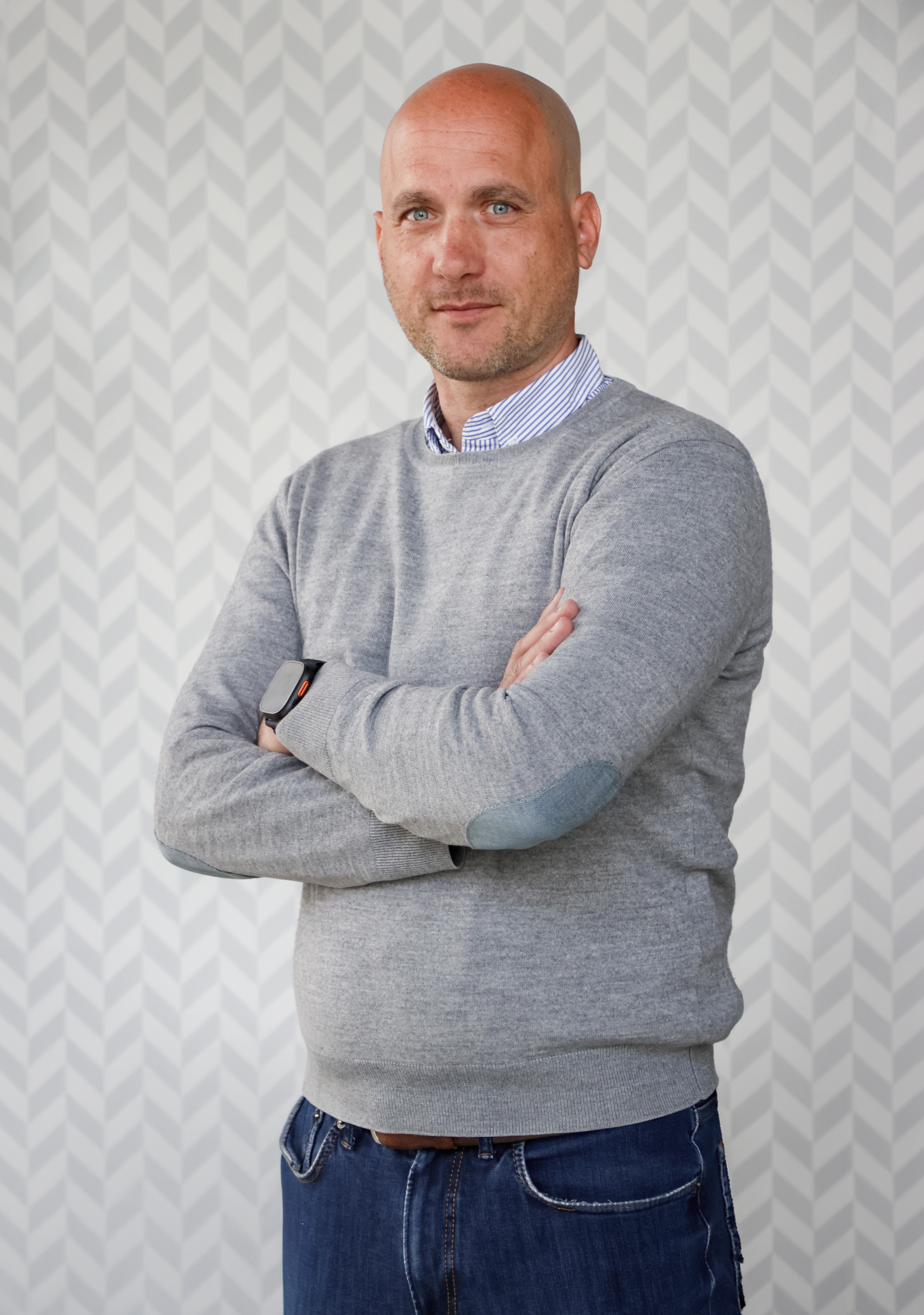
Samo Drnovšek is a Health Data Strategy and Product Marketing Manager who has been with Better for 13 years and has gone through many positions. “Working in several roles, from project management to presales and delivery, all with Better Platform, gave me a lot of insights into how platforms like ours can shape and change the healthcare landscape,” he said. Now he is specialising in the European Health Data Space, which, in his opinion, could be a big success in supporting better decision-making and improving outcomes. Besides that, Samo is an active athlete, and he promotes it inside the company. And how does he feel about working at Better? “Better is a place where you grow, get challenged, and at the same time feel part of something really strong,” he said. Read the whole interview and get to know Samo better.
You have been with Better for quite some time now. What first drew you into digital health, and what has kept you here?
I worked for a local consultancy company in the field of eHealth, consulting the Ministry of Health on a national eHealth project (feasibility study and project management). At that time, Tomaž invited me to join the company, and I have been here for more than 13 years. What kept me here is definitely the ambition, the vision, and the product, for which I firmly believe that it is a top-notch product in the field of digital health, not just locally or EU-wide, but also globally.
You have had several roles at Better over the years. How has your journey shaped the way you think about healthcare technology, and what excites you most about your everyday work?
Working in several roles (project management, presales, delivery, …), but on the other hand, all with Better Platform, gave me a lot of insights into how platforms like ours can shape and change the healthcare landscape. What excites me is that almost every single day, I can learn something new. Challenges faced every single day working with customers, potential customers, products, … are a real driver and motivator.
Your work often involves translating complex topics such as standards, architectures, and regulations into content that is meaningful to different audiences. What’s the biggest challenge in doing that well?
Well, for me, the biggest challenge is definitely my background, which is everything but technical. All opportunities, projects, and cases I have worked on that pushed me out of my comfort zone to learn new things are also more technical. Of course, none of this would be possible without the excellent mentorship and coaching from senior experts at Better. Without them, pushing me out of my comfort zone, I am pretty sure I would not make it.
Interoperability is often talked about, but not always completely understood. From your perspective, what does true interoperability actually look like in practice?
For me, interoperability is actually quite straightforward, although many would probably disagree. It’s about ensuring that data coming from different sources carries the same meaning for the end user. In healthcare, interoperability is often reduced to connectivity, but it’s more nuanced. We should distinguish between technical, syntactic, and semantic interoperability. Technical interoperability ensures systems can connect. Syntactic interoperability ensures data can be exchanged in a common format, such as FHIR. But the real value lies in semantic interoperability, which is making sure the data means the same thing across systems. In the context of EHDS, this becomes critical. A clinician should interpret “140/95” consistently as systolic and diastolic blood pressure, regardless of how it’s displayed or where the data originates, especially in national shared care records. This is where the Better openEHR-based platform plays a key role. By separating data from applications and enforcing shared clinical models, it enables true semantic consistency and makes cross-border data exchange meaningful and reliable
In your recent role, you are closely involved with the European Health Data Space. What excites you most about EHDS, and where do you see the biggest challenges ahead?
On the one hand, I am thrilled about the idea of a guided approach to improving healthcare data quality and structure across the EU, which will serve as a foundation for advanced care coordination, care protocols, and pathways. But there are always 2 sides to the same coin, and on the other side of this one is the painful reality that systems in the EU are far from being ready to be compliant with the idea of a unified healthcare data space. In many countries, which most have always looked up to as unicorns, well, it turned out the reality is far from it, and now those countries, having served as role models for a long time, are lagging behind and struggling to comply with EHDS legislation.
How do you see EHDS shaping the future of healthcare systems in Europe when it comes to data sharing, trust, and patient outcomes?
Honestly, I think EHDS could be a pretty big shift for healthcare in Europe. Right now, data is still very fragmented, often stuck in local systems, and not really usable across borders. EHDS is trying to change that. But it’s not just about sharing more data. The bigger challenge is trust. If a clinician in one country is looking at data from another, they need to trust that the data means the same thing. Otherwise, more data doesn’t really help. So for me, the real impact of EHDS will depend on whether we get the meaning right, not just the exchange. If we do, it can reduce duplication, support better decision-making, and, hopefully, improve outcomes. If not, we risk moving data around without real value.
Imagine EHDS succeeds beyond expectations. What would everyday healthcare feel like for a patient in Europe?
If EHDS really delivers on what it promises, it would feel a lot simpler and more in patients’ hands. At the core, it’s about patient-first thinking, giving people more control over their own data, and making sure it actually flows when and where it’s needed. Today, you still end up repeating your story all the time, carrying papers around, or hoping that the doctor somehow has the right info. In a world where EHDS works properly, that kind of friction should just go away. You go to a doctor, even in another country, and the important things are already there. Conditions, medications, allergies, the basics that really matter. But it’s not just about convenience. Trust is a big part of it. Patients should know who is reviewing their data and why, and feel they remain in control. Not in a complicated way, but in a way that just makes sense. If we get that right, healthcare could start to feel more connected, more personal, and honestly a bit less stressful than it is today.
Looking back, what has been one of the most valuable lessons in your career so far, something that changed how you approach your work?
Looking back, one of the biggest lessons for me was realising how much impact this work can actually have when it’s done right. Being part of the Slovenian eHealth journey, from early interoperability foundations to things like CRPP and now eKarton, really changes your perspective. At the beginning, it’s easy to see it as just projects, integrations, APIs, … but over time, you realise this is something that actually shapes how healthcare works day to day. It affects clinicians, patients, and the overall experience, even if people don’t always see what’s behind it.
I was also lucky to work with really strong mentors and leaders who think long-term and push for things to be done properly, not just quickly. That had a big influence on how I approach my work today. You start thinking less about short-term delivery and more about meaning, consistency, and impact. Another thing I’ve learned is that interoperability is often underestimated. It sounds technical, but in reality, it’s about whether information can be trusted and understood in the same way everywhere. And that has very real consequences.
I guess the main takeaway for me is that if you stay focused on doing things properly, even when it’s harder, you can actually contribute to something meaningful at scale. And hopefully at some point you can look back and say, yeah, “we really did a f**g good job here”.
You are one of the initiators of the Move Better initiative. What was the original idea behind it, what kind of impact does it have, and where do you want to see it evolve in the future?
To be honest, the idea behind Move Better was quite simple at the beginning. We were already doing sports individually, running, cycling, things like that, and at some point, we thought, why not connect this a bit more as a team. It actually started quite organically with Strava, just following each other, sharing activities. Someone once joked that Strava is basically Facebook for active middle-aged people, and there is some truth to it. You see what others are doing, it motivates you, maybe pushes you a bit further than you would go on your own. From there, it evolved into something more. It became a way to connect people across the company, not just through work but through shared activities. And at the same time, we wanted it to have a bit more meaning, so the idea of contributing back to the community came naturally. I think the impact is actually bigger than it looks at first. In our line of work, stress can build up quickly, and having something that encourages people to move, disconnect a bit, and support each other really matters. Looking ahead, I’d like to see it grow in a way that keeps that same spirit. Not becoming too formal, but connecting people, keeping them active, and maybe even expanding more into community impact. Something simple, but with real value.
You are a very active person yourself, doing cycling, skiing, and hiking. What part does sport play in your life?
As said before, working on many parallel activities, complex delivery projects, or long sales processes is stressful and can affect our health. And for that reason, it is really important to let that stress out as much as possible. For me, being outside and playing different sports is really important for letting it all out. There is nothing better than going on a downhill ride with a bike after a long, exhausting day, because you need to shut off all thinking about work and focus on that downhill trail, not to hit a tree or something. It is the same with hiking, and walking. And no coffee or anything else can beat my morning routine, a walk with my dog every single day in all possible conditions. It really wakes you up, clears your head, and gets your brain going.
What does Better mean to you?
For me, Better is definitely more than just a job. I’ve been here for 13 years, which probably says a lot on its own. It really feels more like an adventure, sometimes even a bit of a rollercoaster. You’re constantly learning, picking up new skills, new knowledge, not just technically, but also in how you communicate, work with people, and build trust. It’s one of those places where no two days are really the same, and you’re always growing in one way or another. What stands out the most, though, are the people. There are so many incredibly knowledgeable and sharp individuals that you just look at and think, wow. And being part of that group, learning from them, working together, that’s honestly a privilege. So yeah, for me, Better is a place where you grow, get challenged, and at the same time feel part of something really strong.
To explore Samo’s perspectives on EHDS in more depth, read his EHDS implementation readiness report.
The white paper brings together insights from national officials, programme leads, and technical architects, highlighting readiness gaps, key risks, and the no-regret investments already shaping implementation across Europe.