
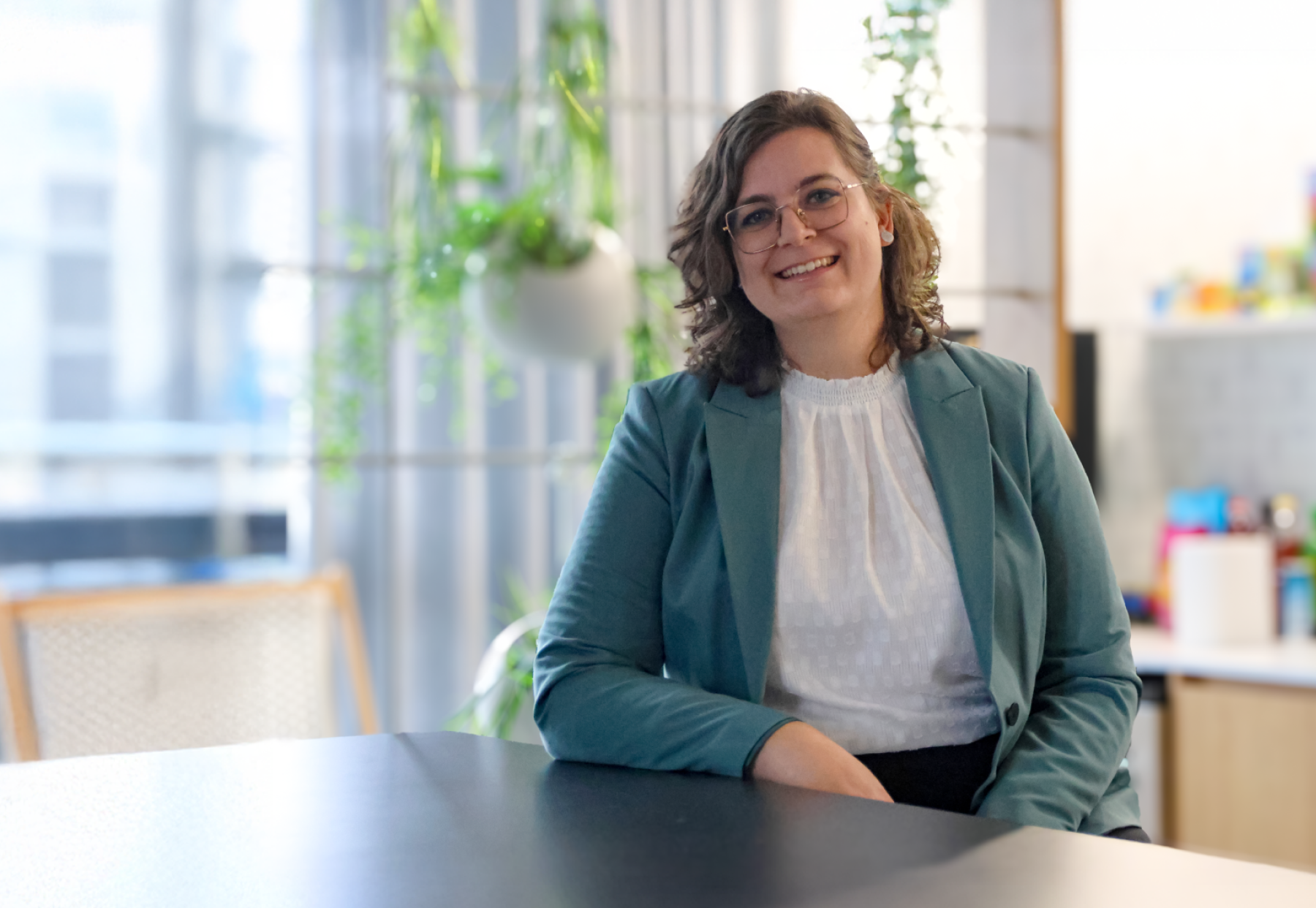
“Better is a place where ideas matter, where people support each other, and where the work we do has real meaning,” is how Manca Trilar describes working at Better.
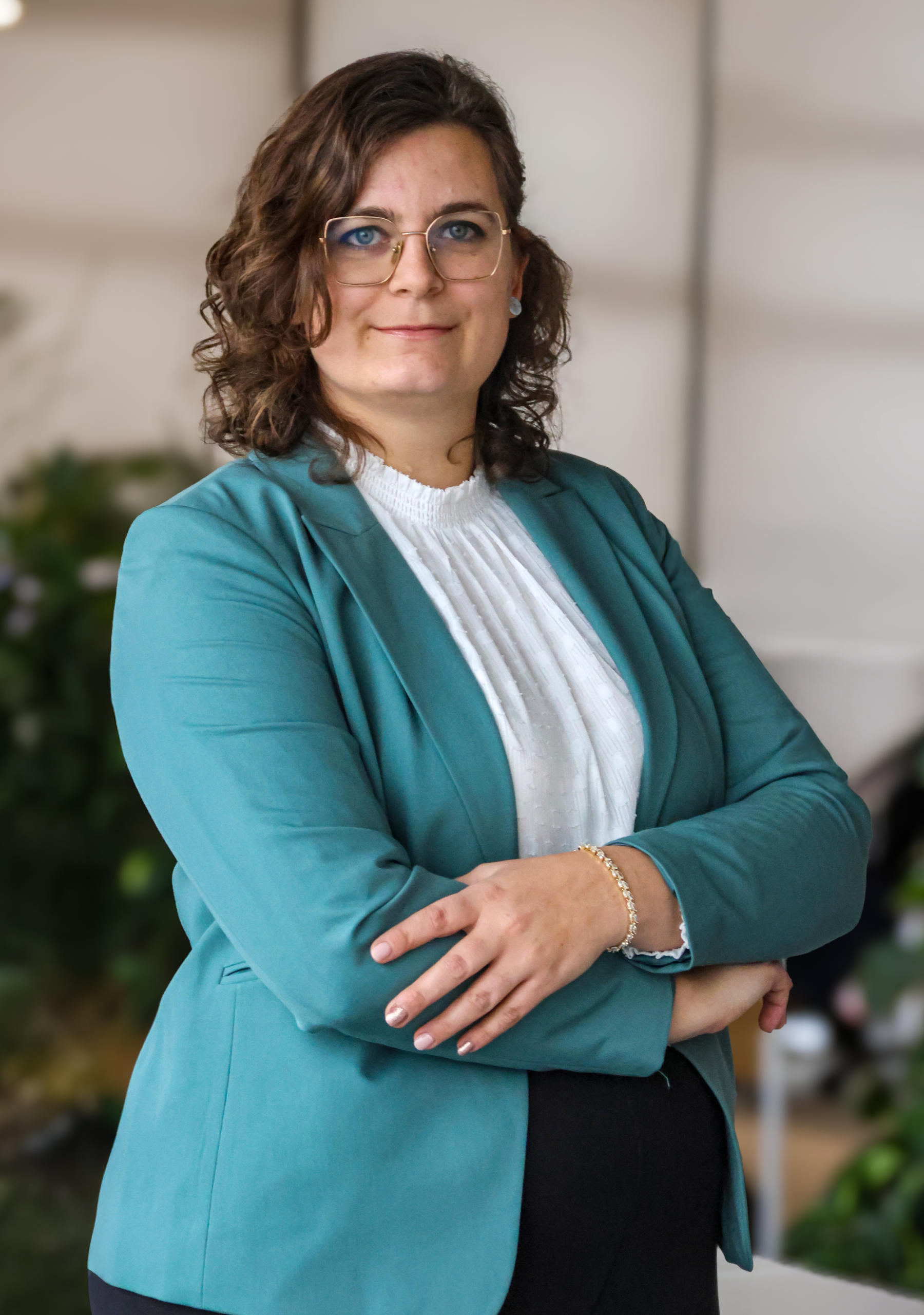
Manca is a business analyst in our Clinical team. She focuses on bridging the gap between clinical needs and technical solutions and makes sure that everything we build truly supports patient care. In her years at Better, she has grown in her ability to navigate complexity and communicate across disciplines, and she believes that in healthcare technology, user experience is just as important as functionality. Manca is also a singer in a choir, where she mastered the skills of harmony and listening, which are highly relevant in business analysis as well. Read the interview and get to know Manca better.
You work as a business analyst in the Clinical team. What does your role entail, and what does your typical working day look like?
As a business analyst in the Clinical team, my role focuses on bridging the gap between clinical needs and technical solutions. I collaborate closely with clinicians, product managers, developers, and QA to ensure that everything we build truly supports patient care. At Better, there’s no such thing as a “typical day.” Every day brings new challenges and tasks, which makes the work dynamic and far from monotonous.
At the start of a project or a major upgrade, my work usually involves gathering requirements, analysing workflows, and writing user stories and functional specifications for developers. Some days are meeting-heavy, where we discuss new functionalities and clarify details with the development team. Later in the process, I review data models to ensure they align with clinical standards. Finally, before a solution goes live, it goes through QA and testing. The designs I create are often the ones I test as well. That’s the essence of my role: a combination of collaboration, problem-solving, and translating complex clinical concepts into actionable technical specifications.
Business analysis often means translating between very different worlds. How do you make sure clinical needs, data models, and technical possibilities all align?
It all starts with listening. I make sure I fully understand the clinical context, what clinicians are trying to achieve and why. I focus on identifying what we aim to improve with new functionalities and often ask myself: “What problem are we solving, and how?”
Visualising the process helps a lot, whether through diagrams, workflows, or detailed user stories, because it clarifies the steps the application needs to follow. Getting feedback and approval from clinicians is essential, but it’s also important to keep in mind that the solution must cover a broader range of scenarios, not just a single use case. Ultimately, alignment comes from clear communication, iterative feedback, and ensuring that clinical goals, technical feasibility, and data integrity all work together seamlessly.
When you start working on a new clinical use case, what are the first questions you ask?
I start with a few key questions:
- What problem are we solving for clinicians and patients?
- What are the pain points in the current process?
- Who will use the solution, and in what context?
- What data is critical for decision-making?
- Where does the process take place?
These questions ensure the solution is practical, user-friendly, and truly impactful for patient care.
You have been working with PROMs in different clinical environments. Why are PROMs so important for patient-centred care, and how do they influence digital health solutions?
PROMs (Patient-Reported Outcome Measures) give patients a voice in their care by capturing how they feel about their health and treatment, something clinical metrics alone can’t provide. A key advantage is that patients can complete questionnaires remotely, using smart devices, without visiting a clinic. In digital health, PROMs shape design by prioritising usability, accessibility, and seamless integration into clinical workflows. They enable clinicians to make more informed decisions and support faster, shared decision-making, which are the core principles of patient-centred care.
Is there a project or moment at Better that made you think, “This is why I do what I do”?
One defining moment was implementing a standardised protocol using our low-code tool. It streamlined patient data collection, ensured consistent treatment, and integrated PROMs to guide clinicians with the right questions based on patient responses. Seeing how this improved patient engagement and provided clinicians with deeper insights was incredibly rewarding, and it reminded me that our work truly impacts lives in a meaningful way.
What do you find most rewarding and most challenging about your work?
The most rewarding part is knowing our solutions help clinicians deliver better care and improve patient outcomes. The biggest challenge is balancing diverse perspectives—clinical, technical, and regulatory—while keeping the solution simple, user-friendly, and effective. It’s a constant exercise in prioritisation and clear communication.
Looking at your time at Better so far, how have you grown professionally, and what new skills or perspectives have you gained?
I have grown in my ability to navigate complexity and communicate across disciplines. My understanding of clinical workflows and standards like openEHR has deepened, and I have become more confident in bridging clinicians and developers. I have learned that user experience is just as important as functionality in healthcare technology.
Starting in QA gave me valuable insight into clinical processes from a user’s perspective. Later, working with low-code tools and modelling data expanded my technical knowledge and strengthened my ability to design effective solutions. Lately, I have also been focusing more on creating technical and documentation specifications and predicting development workflow processes.
How do you envision your role evolving in the future?
I see myself as always being part of a team—collaborating with others, solving problems, and helping create really great healthcare applications that genuinely give clinicians the tools they need to improve the quality of their work. I don’t want to build just another application they won’t enjoy using. I would also like to deepen my understanding of the technical background of how things work, so that I can translate clinicians’ needs into workable, well-designed solutions more easily.
Outside of work, you are also a member of a choir. Does this part of your life influence the way you approach your work or find balance?
Absolutely. Singing in a choir teaches harmony and listening, skills that are surprisingly relevant in business analysis. If one voice is off, the whole group feels it, just like in a team project. You also need to trust that every choir member will be “there”, that they will come/sing in at just the right moment, and that all the voices will blend together to create harmony. Music reminds me of the importance of collaboration and creativity, and it gives me a meaningful way to express myself and maintain balance outside of work.
You are also a mother of a young toddler. How do your afternoons look and what do you like to do in your free time?
My afternoons are all about family time. After work, I love spending time outdoors with my toddler, playing, exploring, and enjoying those little moments that make the day special. In my free time, I enjoy reading, singing, and planning trips. It’s a busy life, but it’s full of joy. You just need to cherish every moment we experience together as a family, because we all know children grow up far too quickly.
I also find that these simple everyday moments help me recharge. Whether it’s a walk, a silly game, or a quiet evening at home, they remind me to slow down, be present, and appreciate the balance between work and personal life.
What does Better mean to you?
Better is a place where ideas matter, where people support each other, and where the work we do has real meaning. It represents innovation with purpose, as we are creating technology that genuinely improves healthcare and makes lives better for both patients and clinicians. For me, it’s also about being part of a great team that values collaboration, continuous learning, and making a meaningful impact together.