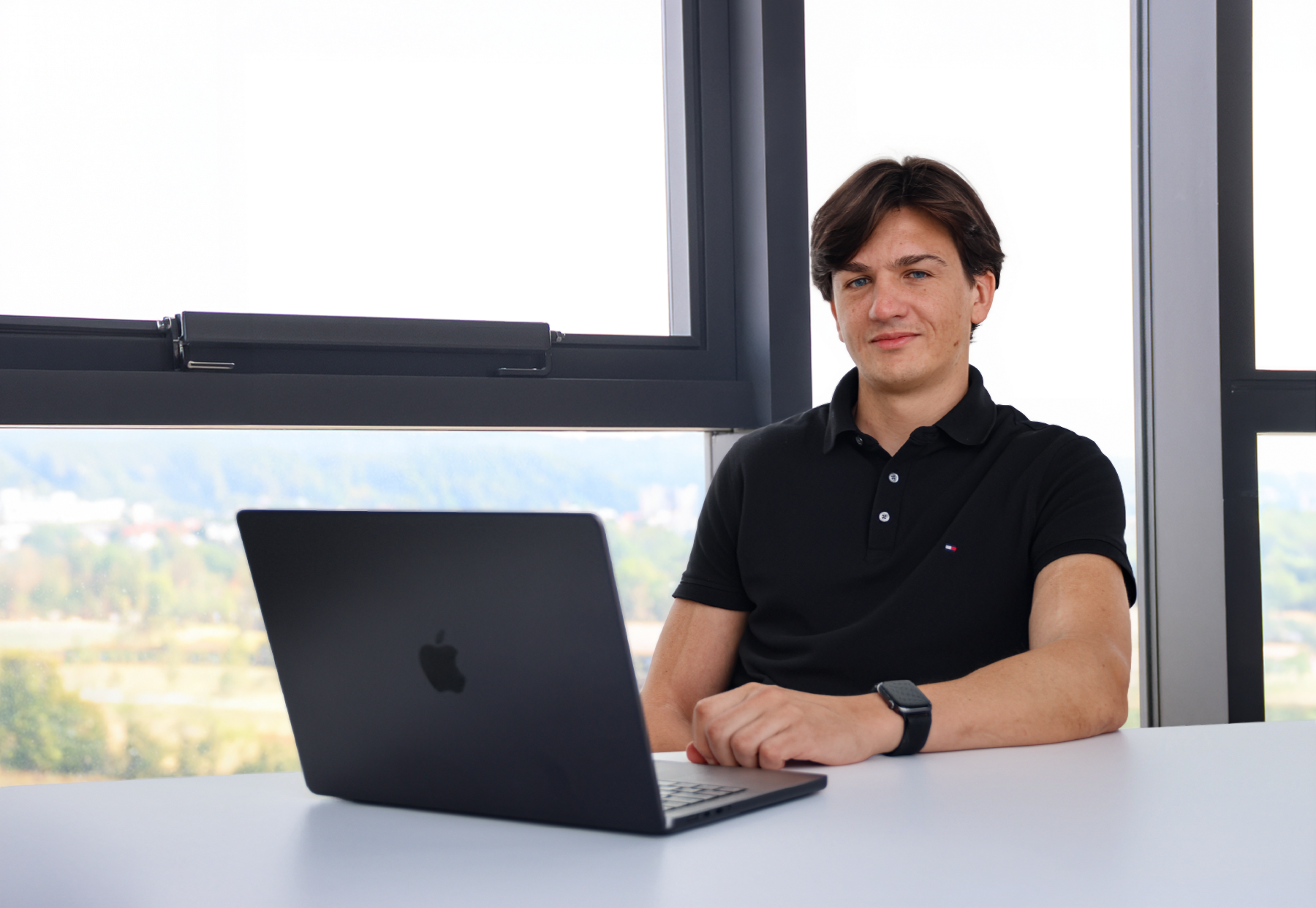

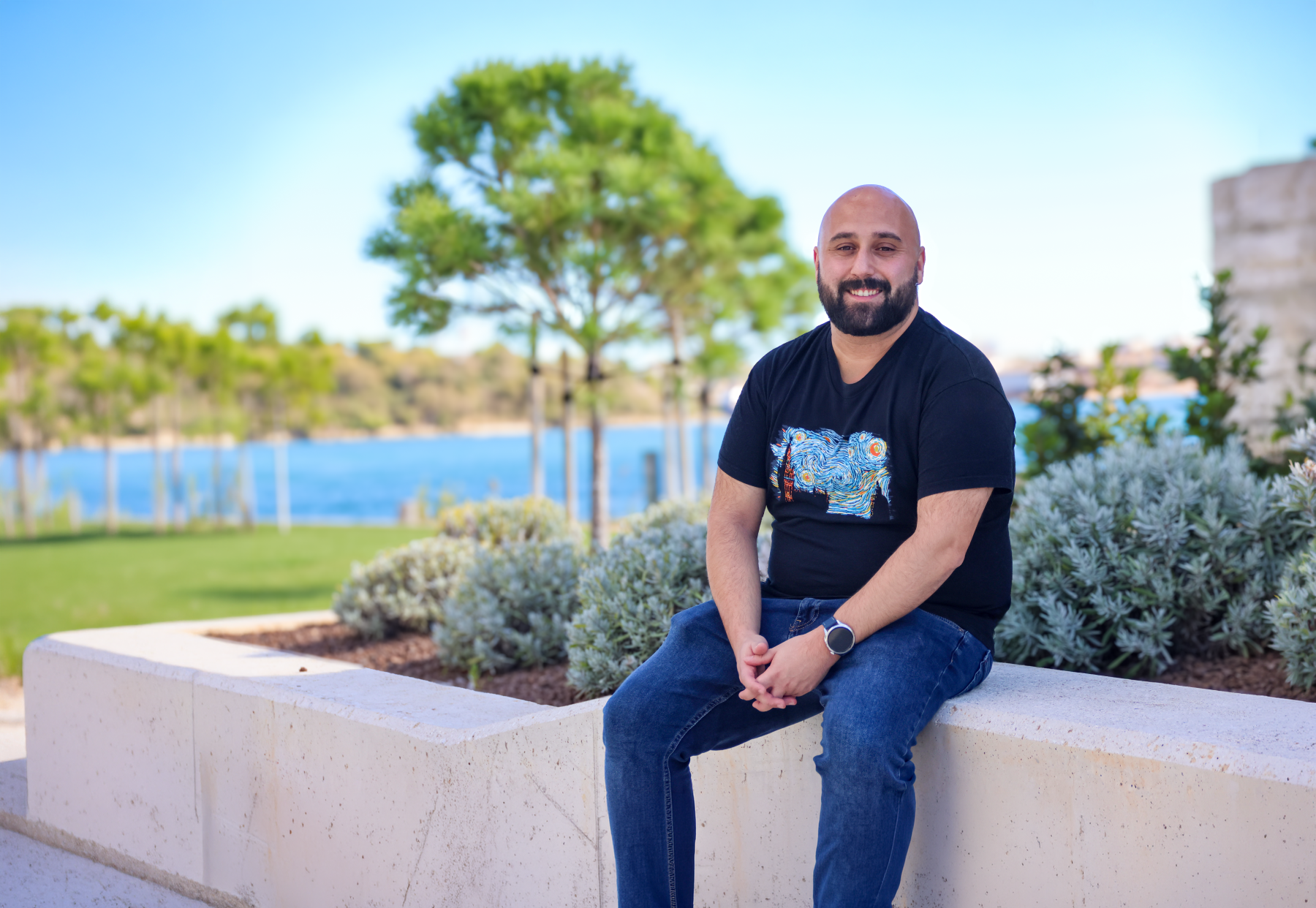
“I couldn’t say whether I’m a good or bad salesperson, but I do believe I’m a professional with firsthand knowledge of what I’m selling,” said Miguel Pedrera Jiménez when asked how he balances his technical and scientific perspective with the commercial realities.
Miguel is our Spanish colleague, responsible for technology, innovation, and market initiatives in Spain, Portugal, and Latin America. He has a background in biomedical engineering and is a researcher and scientist at heart, but at the moment, he is on a mission to convince hospitals and regions that their EHR ecosystems, based on openEHR and Better Platform, can improve the lives of their citizens and patients. “One of the advantages of having worked in a hospital is that I’m very familiar with the pain points of clinical and technical staff,” he told us in a very interesting interview, where we touched on his experience, his understanding of digital healthcare, the state of digital health in Spain, his aspirations, and hobbies.
At Better, you are responsible for technology, innovation, and market initiatives for Iberia and LATAM. What does your typical working day look like?
I think that, when it comes to projects in Iberia and LATAM, I’m something of a “jack-of-all-trades,” always supported by Better’s experts in the various areas of innovation, technology, and the market. I usually divide my time between pre-sales and sales activities, whether online or by visiting potential clients at their offices, coordinating projects, supporting our partners on the projects we have implemented in Spain so far, and contributing innovative ideas to further improve the Better Platform. I never get bored because these tasks are very different from one another, and I believe they’ve helped me transform my more academic and technical background into a profile that is also business-oriented.
You have an interesting background, from telecommunications engineering and biomedical engineering to a PhD and leading health data initiatives. What first drew you to the intersection of technology and healthcare, and how did your career evolve towards digital health?
While studying telecommunications, I already sensed that I needed a greater purpose to which I could apply all that technical knowledge. During my senior year, I had the opportunity to write my final thesis on a telemedicine application and complete my required internship at the company that managed the Andalusian Health Information Exchange (HCE). That’s when I knew I wanted to apply that knowledge to healthcare, which is why I went on to earn a master’s degree and a Ph.D. in Biomedical Engineering. After finishing my master’s, I was fortunate enough to start working at the 12 de Octubre Hospital alongside outstanding professionals and friends such as Pablo Serrano, and the rest is history.
At Hospital 12 de Octubre, you were responsible for health data and worked on projects involving information standards, research, and innovation. What did that experience teach you about the real challenges hospitals face when managing and using health data?
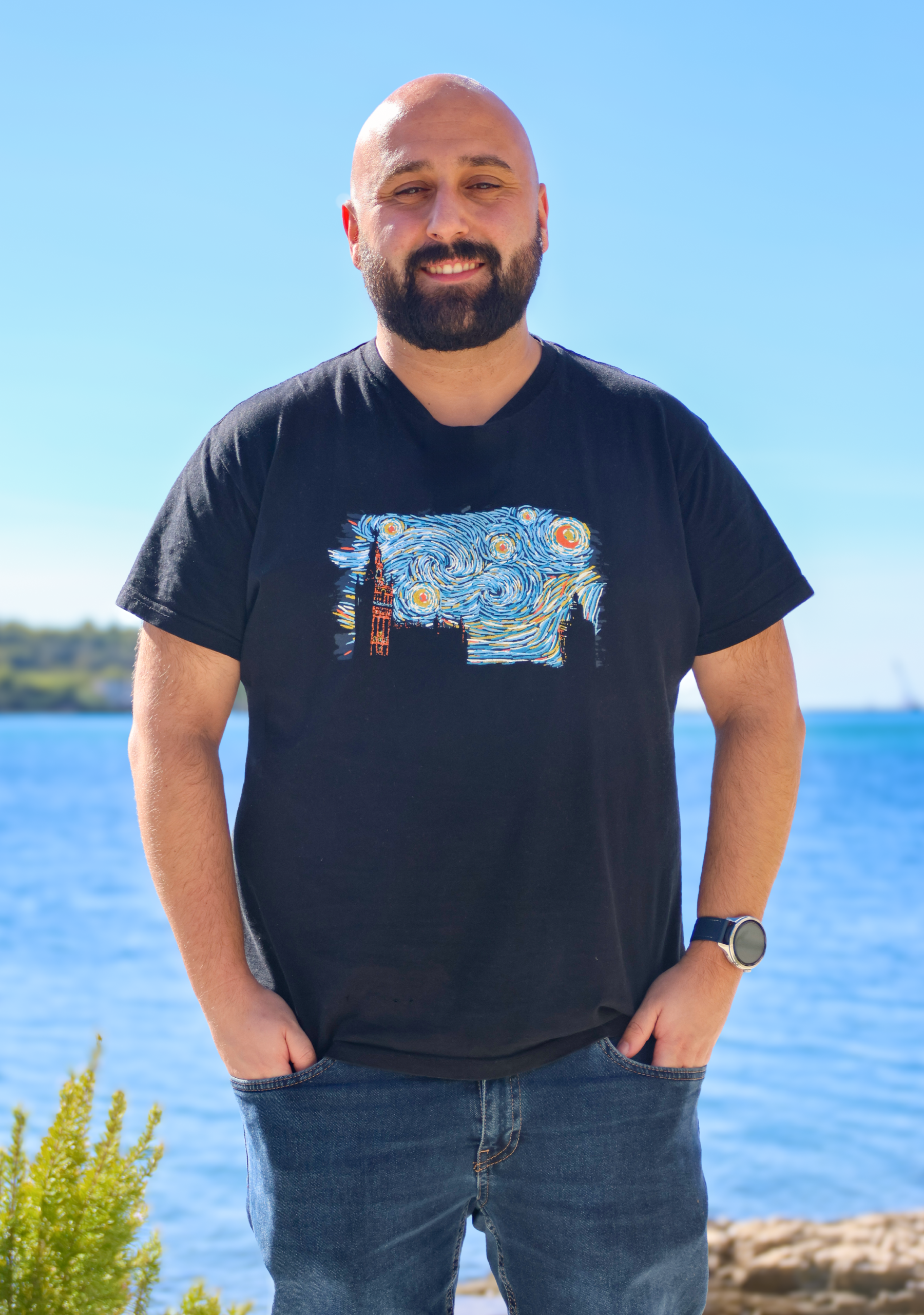
I believe that working in a hospital means getting your hands dirty, and that always teaches you about reality. You see the huge gap between what your senior colleagues at the Ministry and in Europe ask of you and what the EHR systems used by your hospital allow you to do, and you realise that these data ecosystems need to improve and evolve. In short, you are dealing with an EHR in which patient data is fragmented across information silos, with proprietary semantics and local data models that lock the data away. To address this, the InfoBanco project was launched, through which we implemented openEHR and the Better Platform, and where I gained firsthand experience with this powerful platform, which I’m now dedicated to implementing in other hospitals that want to improve their health data from the ground up.
What has been the biggest adjustment in moving from the healthcare provider side to the technology and business side?
Although it might seem otherwise, it was quite a natural transition, even though it is a completely different world. My role at the hospital was originally that of a researcher and technician, but it soon evolved into coordinating the Health Data Unit and supporting the hospital’s strategy in this area. The ultimate goal was for the 12 de Octubre Hospital to have the best possible health data ecosystem, and achieving that requires both healthcare organisations and the technology industry. When the time came, I decided to make the switch, and who knows, maybe someday I’ll return to the healthcare provider side.
Your current role brings together technology, innovation, market development, and collaboration with sales teams. How do you balance your technical and scientific perspective with the commercial realities of business development?
I couldn’t say whether I’m a good or bad salesperson, but I do believe I’m a professional with firsthand knowledge of what I’m selling. First, because I was a customer and user at the 12 de Octubre Hospital. And second, because my scientific career has centred on improving electronic health records (EHRs) through standards and open platforms, with the goal of enhancing healthcare and research. Whenever I present something to potential clients, it is based on prior research or experience (my own or that of others), and I believe decision-makers value that when addressing an issue as complex as improving healthcare data ecosystems. I think this is the right way to approach business development; it may seem slower or more difficult, but it’s what truly convinces clients that they’re in good hands.
When speaking with potential clients and partners, how do you explain the value of open data to people who may be more focused on immediate operational challenges than on the underlying technology that could help them solve their problems?
One of the advantages of having worked in a hospital is that I’m very familiar with the pain points of clinical and technical staff. Generally speaking, you don’t have to look very hard to find them. Ask a clinician a question such as, “Is the data you enter into the EHR accessible later for management or research purposes?” and you can already imagine the answer. Or ask a technician, “How long does it take from the moment the clinical documentation team requests a new form until your EHR vendor puts it into production?” and the answer is much the same. I believe there’s a much stronger data culture in Spain and Europe today than there was five years ago. The COVID-19 pandemic exposed the shortcomings, and the AI boom has only intensified them. Healthcare organisations need data they control, neutral, free from vendor lock-in, based on standards, and that does not lose its meaning when used for any purpose.
The Spanish digital healthcare landscape is quite active and breaking new ground. How do you evaluate their progress, and what challenges still need to be addressed?
It seems we’re no longer just soccer champions, that’s right. 😊 We have a highly innovative digital health ecosystem that spans hospitals, the Ministry of Health, and the autonomous communities. We recently published an article led by Jordi Piera Jiménez, featuring a Delphi study in which a large number of medical informatics experts from Spain, along with some international leaders in the field, agreed on a roadmap towards a national EHR in which semantics are shared, even if different technologies are used for implementation. There is still a long way to go before this can be put into practice, but I am confident we will succeed.
Even in your role at Better, you still contribute to standardisation committees, international projects, and academic activities. How important is it to stay connected to research and the wider digital health community while working in a commercial role?
I can’t imagine my professional life without dedicating part of my time to research and teaching. To be a good professional in the field of technology and business applied to healthcare, it’s essential to stay up to date with my colleagues’ work and research, as well as to share what I’ve learned along the way. Despite my current role at Better, I still consider myself more of a researcher trying to bring my knowledge to market than a traditional businessman.
Your role involves working with colleagues, clients, and partners across different countries and markets. What helps you build strong relationships and keep collaboration effective when people are not in the same room?
I really enjoy the social aspect of my current job; I’ve always tried to foster meaningful personal relationships with the colleagues around me. When I led the Data Unit at the 12 de Octubre Hospital, beyond our academic achievements, what set us apart was the positive atmosphere within that little family. Now I try to do the same with Better’s clients and partners. I want them to feel comfortable. When they have a meeting with me, even if it’s virtual and perhaps focused on business matters that aren’t exactly “exciting”, I want us to have a good time and share a few laughs between discussions. I believe that having a good sense of humour and being kind are key to building strong relationships, regardless of whether a particular business deal goes well or poorly.
Looking ahead, what would you like to achieve in the wider digital health field over the next few years? Are there particular changes or projects you would especially like to help bring to life?
Without a doubt, I would like to see Spain, Portugal, and Latin American countries improve their electronic health record (EHR) ecosystems so that healthcare organisations have true governance over their health data and the ability to act on it. In short, if we can get even one hospital or region to improve its current situation and enable it to state with complete conviction that its new EHR ecosystem, based on openEHR and the Better Platform, has improved the lives of its citizens and patients, that alone would be a great success and a source of pride for me.
When you step away from the world of health data, what do you enjoy doing in your free time? How do you clear your mind and recharge?
I think it’s become clear from my previous answers that I don’t do anything outside of openEHR archetypes. 😊 Jokes aside, in recent years, I think I’ve finally learned to unplug and enjoy my free time, which is key to avoiding burnout. In that regard, I feel privileged to work at a company like Better, which respects work-life balance and cares about its employees’ well-being. To answer the question, I spend my free time playing sports (mostly padel and cycling), reading, playing video games, and spending quality time with family and friends. I recently bought a 3D printer, and these days I spend some of my free time printing and painting figurines.
What does Better mean to you?
Ever since I became a client, I’ve seen Better as a visionary company that breaks away from the traditional way of doing things, in which technical considerations and vendors take precedence over clinical requirements and the healthcare organisation. Now, as an employee, I also believe that Better does this in a way that’s very healthy for employees, clients, and partners alike. I don’t know how long I’ll be at Better, hopefully for many more years, but there’s no doubt that I am in the right place.