

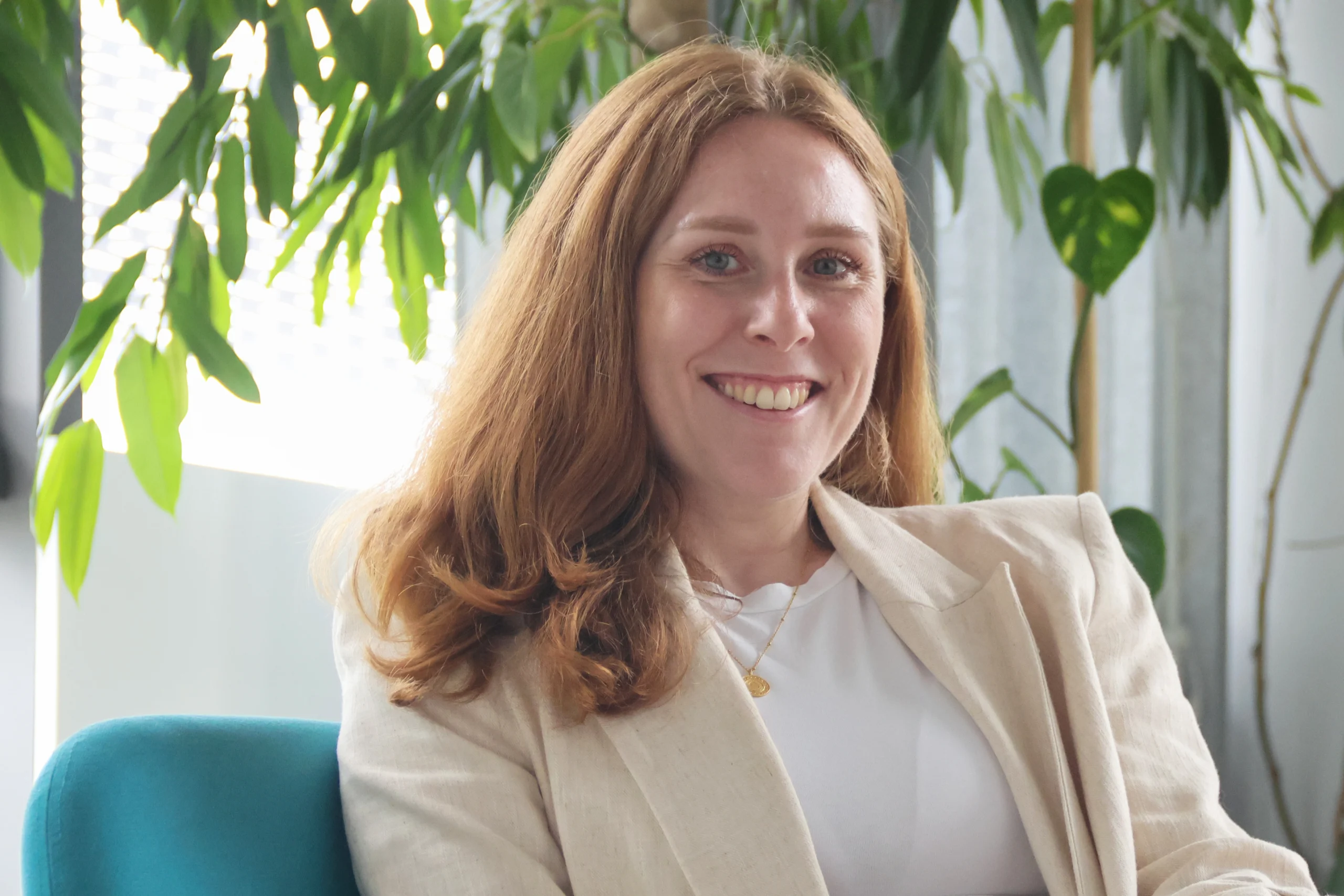
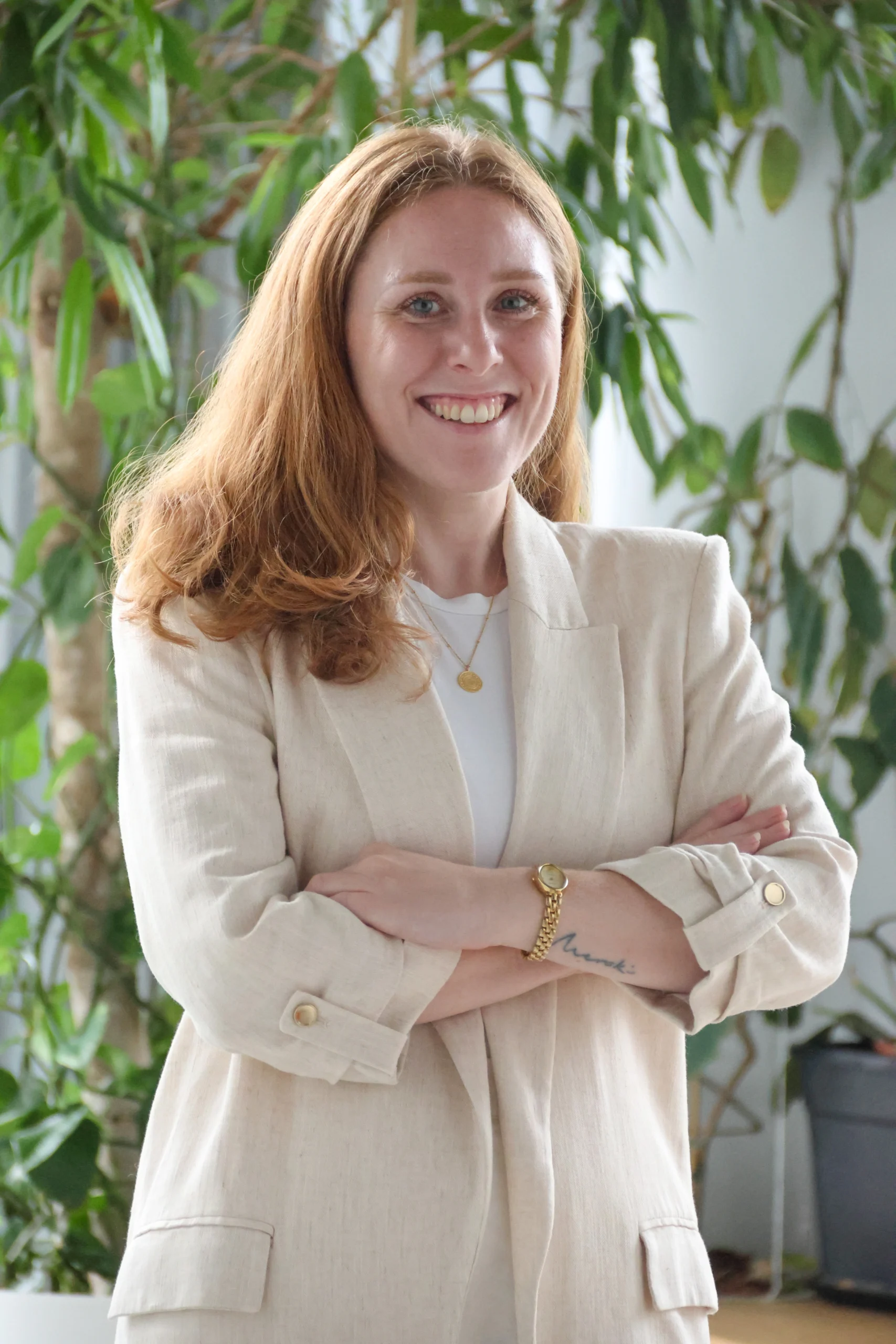
“Marketing is a mix of creativity and problem-solving, so no two days are ever the same, and I wouldn’t have it any other way,” is how Barbara Vrhovnik described her job at Better.
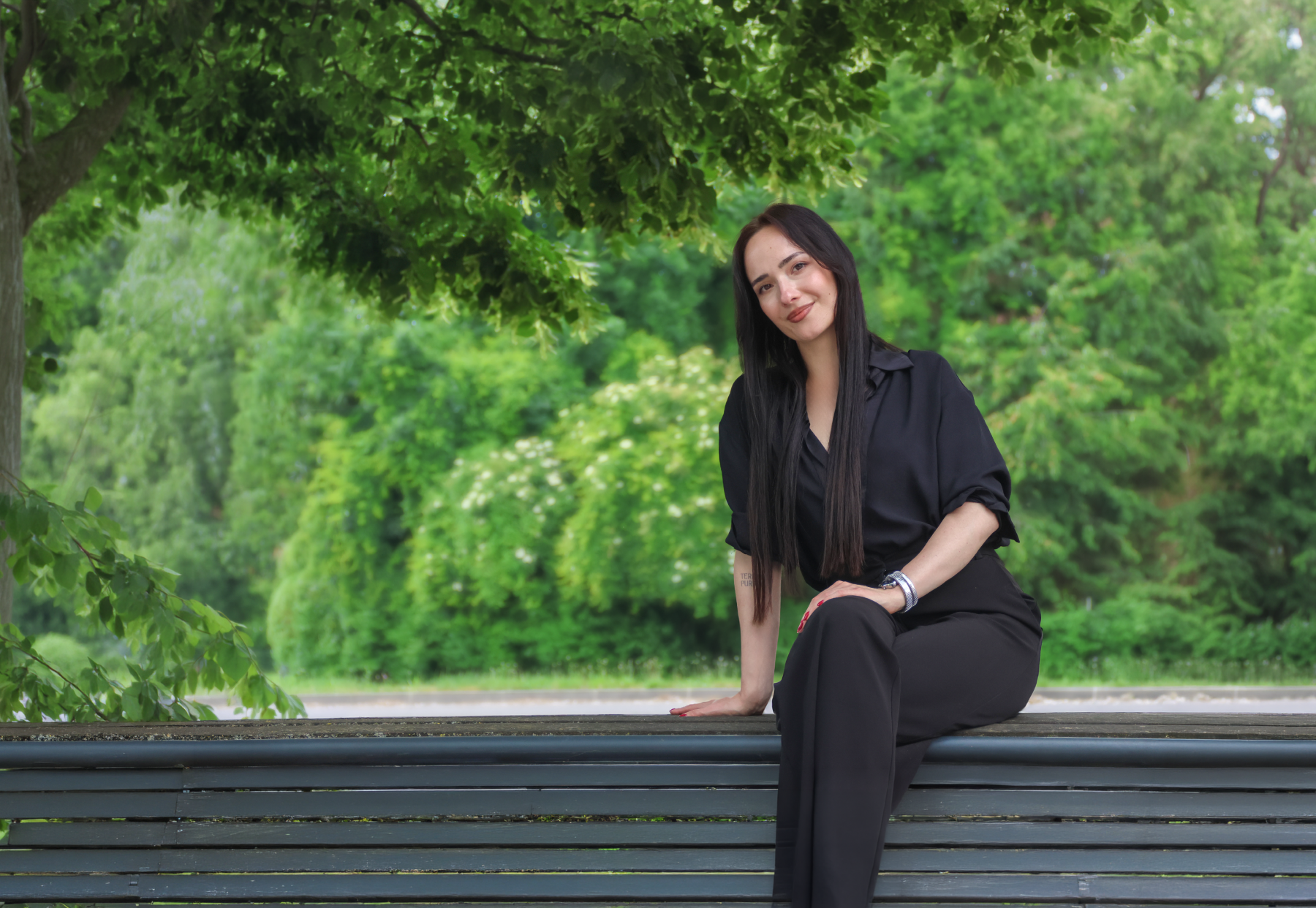
Barbara is our Digital Marketing Manager, responsible for Better’s digital footprint. She studied languages but soon discovered that marketing is a place where all her knowledge, skills, and interests come together. As marketing is constantly evolving, she sees AI as one of the biggest changes. “AI has completely transformed how we work, from researching and brainstorming ideas to analysing results and creating content. It doesn’t replace creativity, but it gives us more time to focus on the work that really matters,” Barbara said, and added that to keep up with trends, she tries to stay curious in whatever she does. Barbara is also an enthusiastic traveller, who likes to run and cook, and who sees her work as a way of saying thank you to the healthcare professionals who dedicate their lives to caring for others. Get to know Barbara in the interview below.
You work as a digital marketing manager at Better. What occupies your days the most, and what does your typical day look like?
I honestly don’t think I have a typical day, and that’s probably one of the reasons I enjoy my job so much. Mondays are usually packed with meetings, planning, and reports, but after that every day looks a little different. One moment I’m brainstorming campaign ideas, the next I’m analysing performance, creating content, coordinating with different teams, or managing projects. Marketing is a mix of creativity and problem-solving, so no two days are ever the same, and I wouldn’t have it any other way.
Your journey started with languages and translation, but eventually led you to digital marketing. Looking back, what connected those different worlds?
I originally chose to study languages because I loved travelling and discovering different cultures. But somewhere along the way I realised that, although I enjoyed it, I couldn’t picture myself doing translation for the rest of my career. When I started thinking about what really excited me, I realised all my interests pointed in one direction. I loved psychology, photography, writing, editing, storytelling, and understanding why people make certain decisions. Marketing felt like a place where all those interests came together. At the same time, digital marketing was really starting to take off, so I jumped in, started learning, experimenting, making mistakes, and figuring things out as I went. Looking back, it actually feels like a very natural transition.
Marketing has changed a lot over the last decade. Which changes have had the biggest impact on the way you work, and which trends do you think are here to stay?
One of the biggest changes has definitely been AI. It has completely transformed how we work, from researching and brainstorming ideas to analysing results and creating content. It doesn’t replace creativity, but it gives us more time to focus on the work that really matters.
Another major shift is how people consume content. We no longer expect everything to look like a perfect advertisement. Think about it, most of us scroll through social media every day, and we’re much more likely to stop for a video that feels genuine than for something that looks overly polished. People connect with people, not perfection. That’s why marketing has become much more authentic, relatable, and built around storytelling. Short-form videos, behind-the-scenes moments, and real experiences often perform better than carefully staged campaigns because they feel more human.
I don’t see these as passing trends. They’re a reflection of how technology and our behaviour are evolving. AI will continue to become part of our everyday work, while authenticity will only become more important because, in a world where creating content is easier than ever, genuine human connection is what really stands out.
As you said, AI is changing the marketing landscape. How do you see it influencing digital marketing in healthcare, and what role do you think humans will continue to play?
For me, AI is like having an assistant. It helps me generate ideas, summarise information, analyse data, prepare reports, and automate repetitive tasks. That means I can spend more time on strategy, creativity, and the parts of marketing that require human insight.
In healthcare marketing, AI is especially valuable because we often work with complex topics and large amounts of information. It can help us organise and simplify that information, but it’s still up to people to make sure the message is accurate, meaningful, and easy to understand. Building trust is just as important as creating engaging content.
I don’t think AI will replace marketers. It will simply change what we spend our time on. Creativity, empathy, critical thinking, and understanding what different audiences really need are still very human skills. In healthcare, where communication can ultimately support better care, those qualities become even more important.
What’s one marketing myth you wish people would stop believing?
All those posts claiming, “Follow these five LinkedIn rules to grow faster” or “Do this and the algorithm will reward you.” While there are certainly best practices, and these can be a good place to start with, many of these “rules” are simply recycled advice from marketing gurus and presented as universal truths. The reality is that there’s no one-size-fits-all formula.
The algorithm is constantly evolving, and what works today may not work tomorrow. That’s why your own analytics are far more valuable than any checklist, they show you what actually resonates with your audience and help you make better decisions over time. More importantly, LinkedIn shouldn’t be treated as a standalone tactic. Its role, your messaging, and the content you create should all fit into your broader marketing strategy. At the end of the day, the algorithm is designed to surface content that people genuinely find valuable, so understanding your audience will always matter more than trying to outsmart it.
Is there a campaign or project at Better that you are especially proud of, and what it has taught you?
It’s difficult to choose just one campaign because we’ve worked on so many exciting projects over the years. What I’m most proud of isn’t a single campaign, it’s being part of marketing evolution at Better. When I joined, digital marketing was much more focused on individual activities, like social media. Over time, I’ve had the opportunity to help shift that mindset towards a more strategic approach, where digital channels are part of larger campaigns with clear goals, measurable outcomes, and a stronger connection to business growth. We’ve become more willing to experiment, test new ideas, and use digital marketing as a strategic tool rather than simply another communication channel.
Of course, none of that happens alone. One of the things I value most about Better is working with a curious team that’s always willing to challenge ideas and build on each other’s thinking. The best campaigns are never the result of one person, they’re the result of collaboration. If there’s one thing this journey has taught me, it’s that great marketing isn’t about playing it safe. It’s about being willing to experiment, learning from what works (and what doesn’t), and always keeping the bigger picture in mind.
You describe yourself as someone who enjoys connecting the dots quickly. How important is curiosity in your work, and where do you usually find inspiration for new ideas?
Curiosity is probably the most important skill in digital marketing. The digital landscape changes incredibly fast, and people’s behaviours evolve just as quickly. If you stop learning, you will fall behind. I find inspiration everywhere, from webinars, books, podcasts, conversations with colleagues, and especially while travelling. Whenever I’m abroad, I pay attention to how brands communicate, how shops are designed, or how people interact with products and services. I also think there’s a lot we can learn from industries outside healthcare. While you can’t simply copy what works elsewhere, you can learn from different approaches to storytelling, customer experience, or audience engagement and adapt those ideas to your own context. Some of the best ideas come from connecting dots between completely different worlds.
That’s why I try to stay curious. Sometimes inspiration comes from a marketing conference, and sometimes from a small cafe in another country. You never really know where the next good idea will come from.
Looking ahead, where would you like to grow next, both professionally and personally? Are there skills or experiences you are particularly excited to develop?
Professionally, I’d like to continue developing a broader strategic view of marketing and business. At the same time, I’m becoming increasingly passionate about leadership. Having the opportunity to lead a small team has shown me just how much of an impact a leader can have. I’ve experienced how closely your motivation, confidence, and professional growth can be connected to the person leading you. A good leader doesn’t just help deliver results, they create an environment where people feel supported, challenged, and able to grow. That’s the kind of leader I’d like to become. Of course, I want to keep improving as a marketer, but I’m equally excited about developing the skills to help others succeed, build strong teams, and create a positive culture where people enjoy doing their best work.
How do you like to spend your free time? What helps you disconnect and recharge?
Running and reformer pilates are probably my favourite ways to clear my head. Recently I’ve also discovered that cooking has become surprisingly relaxing, it’s a nice way to slow down after a busy day. But travelling is what recharges me the most. Being somewhere new, meeting different people, being in the moment and experiencing different cultures always gives me fresh energy and usually a lot of new ideas too.
What does immersing in different cultures bring you, and what are the next destinations you have on your bucket list?
My travelling bucket list is probably never-ending! :) Travelling has taught me to be more open-minded and curious. Every culture has a different way of solving problems, communicating, or looking at the world, and I always come home feeling like I’ve learned something, not just about the place, but about myself as well.
As for the next destination… there are too many to choose from, but the first adventure coming up is a diving trip to Komodo and Flores in Indonesia, while Antarctica and Argentina are currently at the very top of my bucket list.
What does Better mean to you?
For me, Better is more than just a workplace, it’s a way of saying thank you to the healthcare professionals who dedicate their lives to caring for others. Through personal experiences in my family, I’ve seen the impact healthcare professionals have on people’s lives. That gave me a deep appreciation for their dedication, knowledge, and compassion. As a Digital Marketing Manager, I know my role is very different from that of a clinician. But if I can help communicate Better’s vision, showcase technology that makes clinicians’ work easier, and help more healthcare organisations discover solutions that improve care, then I know I’m contributing to something meaningful and, in some small way, giving something back to the healthcare community.